What Are the K-POP Big 4 Agencies? HYBE, SM, JYP & YG Explained (2026)
If you've been in K-POP for more than a week, you've heard the names: HYBE, SM, JYP, YG.
They're called the Big 4 — and understanding them is basically K-POP literacy.
The Big 4 are South Korea's four largest K-POP entertainment companies: HYBE (BTS, SEVENTEEN, TXT), SM Entertainment (aespa, NCT, EXO), JYP Entertainment (TWICE, Stray Kids, ITZY), and YG Entertainment (BLACKPINK, BABYMONSTER, BIGBANG). They dominate artist training, music production, global touring, and merchandise — essentially controlling how most major K-POP acts are built and marketed.
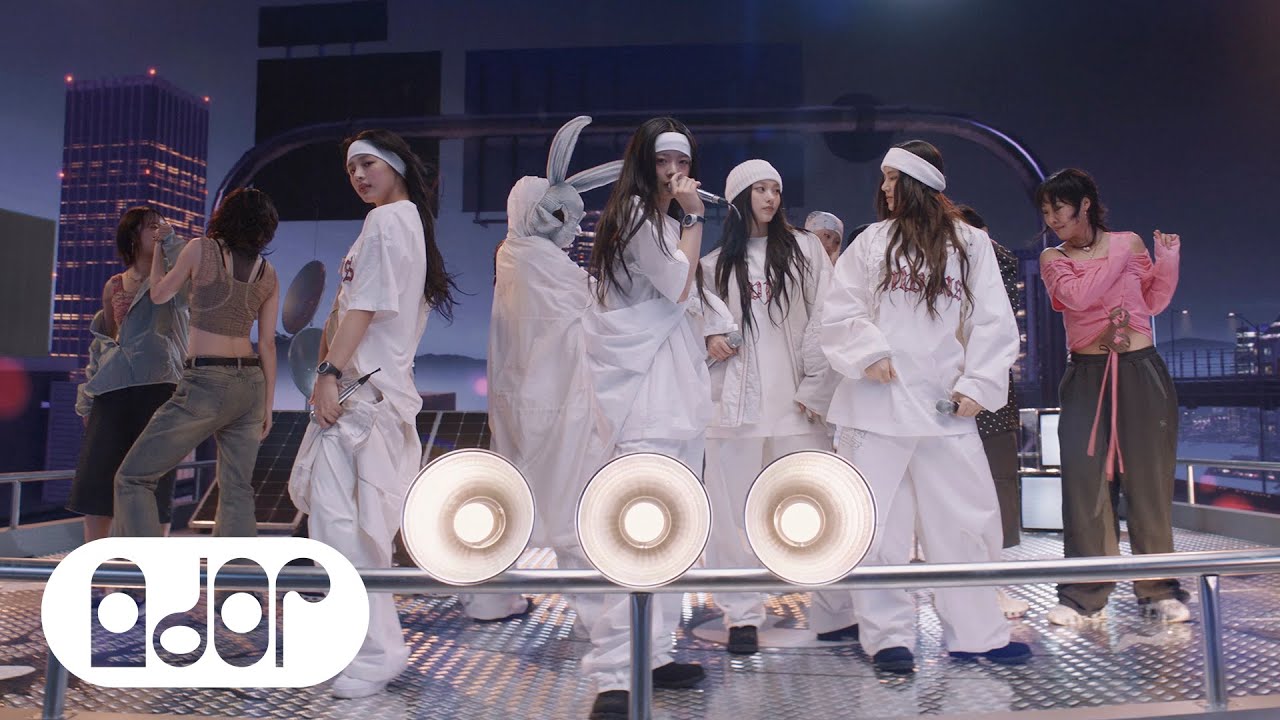
NewJeans · "Supernatural" · ADOR (HYBE) · via YouTube
What Is the Big 4 and Why Does It Matter?
In most music industries, the label behind an artist barely registers with fans. In K-POP, it's one of the first things you learn. The agency shapes everything: the group's concept, the training style, the visual aesthetic, how often they release music, and how they interact with fans.
For decades, K-POP was dominated by three agencies — SM, JYP, and YG — collectively called the "Big 3." That changed when Big Hit Entertainment (the company behind BTS) grew explosively through the late 2010s, rebranded as HYBE in 2021, and became the industry's largest player by market cap. The Big 3 became the Big 4.
Why should a new fan care? Because knowing which agency your group belongs to gives you instant context: what the music will likely sound like, how the group will be promoted, and what the fandom culture tends to look like. Think of it as knowing which film studio directed a movie — it shapes your expectations.
HYBE: The Largest Agency in K-POP
🟣 HYBE
Founded 2005 · Formerly Big Hit EntertainmentFounder: Bang Si-hyuk ("Hitman Bang")
Key Artists: BTS, SEVENTEEN, TXT, ENHYPEN, LE SSERAFIM, NewJeans, ZEROBASEONE
Sound Identity: Storytelling-driven music, cinematic concepts, diverse genres across sub-labels
- Operates a multi-label system — each sub-label (BigHit Music, PLEDIS, Source Music, ADOR, Belift Lab) has its own creative direction
- Built the Weverse platform for global fan engagement
- First K-POP company to reach a $10 billion market cap
- BTS alone generated enough revenue to fund HYBE's global expansion into the US and Japan
HYBE's defining trait is its "lore" approach — groups often debut with complex backstories, interconnected universes, and narrative content (short films, webtoons, games) that extend far beyond the music. TXT and BTS share a connected storyline called the BU (Big Hit Universe). aespa (under SM) takes a similar approach, likely influenced by HYBE's success with the format.
Because HYBE uses a multi-label system, its artists can sound very different from each other. BTS and LE SSERAFIM occupy very different sonic spaces, even though they're under the same corporate umbrella.
SM Entertainment: The Pioneer of Idol Culture
🔵 SM Entertainment
Founded 1995 · Oldest of the Big 4Founder: Lee Soo-man
Key Artists: aespa, NCT, EXO, Red Velvet, SHINee, Super Junior, TVXQ, Girls' Generation, RIIZE
Sound Identity: Polished pop production, experimental sound design, heavy emphasis on visuals and performance precision
- Invented the K-POP idol training system as it exists today
- Coined the term "Culture Technology" — a systematic approach to producing idols for global audiences
- Known for strong choreography, visual cohesion, and experimentally layered production
- NCT operates as a rotating "unlimited member" concept — unique in the industry
SM is the agency most K-POP historians point to as the creator of the modern idol system. Their training programs are rigorous and long — some trainees spend 5+ years before debuting. The result tends to be polished, visually precise performances with very distinct group aesthetics.
SM acts often have some of the most devoted fanbases in K-POP. EXO-Ls, Shawols (SHINee fans), and MYs (aespa fans) are known for their passion and longevity. The downside: SM has a history of high-profile contract disputes with its artists, which fans track closely.
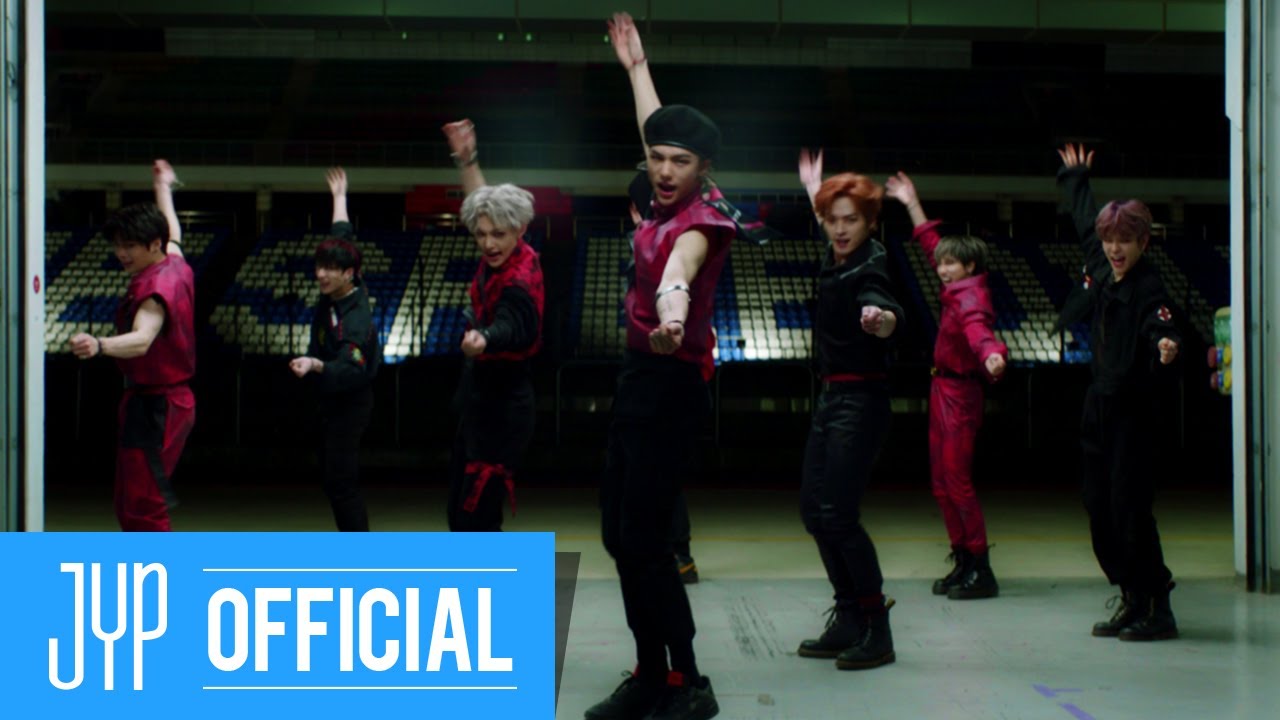
Stray Kids · "God's Menu" · JYP Entertainment · via YouTube
JYP Entertainment: The All-Rounder Factory
🟠 JYP Entertainment
Founded 1997Founder: Park Jin-young (J.Y. Park)
Key Artists: TWICE, Stray Kids, ITZY, NMIXX, DAY6, 2PM, GOT7, Wonder Girls, miss A
Sound Identity: Catchy pop hooks, performance-driven acts, strong emphasis on live vocals and dance
- Emphasizes "triple threat" training: vocals, dance, and personality/variety skills
- Known for successful localization strategy — debuting groups specifically for Japanese and US markets (NiziU, VCHA)
- Artist care reputation is generally strong — Park Jin-young is known for checking in personally with artists
- Stray Kids is unique as a largely self-producing group under JYP, writing and producing most of their own music through the 3RACHA unit
JYP tends to produce versatile performers — artists who can hold their own on stage, in variety shows, and in brand endorsements. TWICE is one of the best examples: nine members, each with a distinct persona, all capable in multiple areas. The agency's "Globalization by Localization" strategy has made it one of the most globally successful of the Big 4 outside Korea.
YG Entertainment: The Swag Agency
⚫ YG Entertainment
Founded 1996Founder: Yang Hyun-suk (former member of Seo Taiji and Boys)
Key Artists: BLACKPINK, BABYMONSTER, BIGBANG, WINNER, AKMU, Psy, 2NE1
Sound Identity: Hip-hop roots, high fashion, bold individuality, less frequent but high-impact releases
- Releases music far less frequently than other Big 4 agencies — this is intentional, building hype around each drop
- Artists often have significant creative input in their own music
- Strong fashion and brand collaboration culture — multiple members are global luxury brand ambassadors
- Has the smallest active roster of the Big 4, but arguably the highest per-artist global profile
YG's defining trait is individuality. Where SM builds visual cohesion within a group, YG leans into what makes each member distinctly themselves. BLACKPINK's four members — Jennie, Rosé, Jisoo, Lisa — each have completely different global brand deals, musical identities, and solo fanbases. That differentiation is a YG trademark going back to BIGBANG.
The tradeoff: YG fans often complain about long gaps between releases. "YG time" is a fandom joke referring to how long the agency takes to deliver promised content. But when a YG release arrives, it typically lands as a cultural moment.
Big 4 Side-by-Side Comparison
| Agency | Vibe / Identity | Release Frequency | Known For | Fan If You Like |
|---|---|---|---|---|
| HYBE | Lore-heavy, cinematic, diverse | High (multi-label) | Storytelling, global reach, Weverse | Deep worldbuilding, emotional narratives |
| SM | Polished, precise, experimental sound | Medium–High | Idol system origins, performance quality | Sharp choreography, layered production |
| JYP | Wholesome, versatile, approachable | Medium–High | All-rounders, variety talent, localization | Fun group dynamics, strong live stages |
| YG | Cool, hip-hop, fashion-forward | Low (intentional) | Individual charisma, luxury branding | Swag, style, bold concepts |
The Big 4 aren't the only agencies worth knowing. Mid-tier labels like Starship Entertainment (MONSTA X, IVE, CRAVITY), Cube Entertainment (BTOB, (G)I-DLE, PENTAGON), and Kakao Entertainment (IU, Highlight) consistently produce top-tier acts. In K-POP fandom, it's common to hear "Big 4 stan" vs. "indie fan" — meaning someone who deliberately supports smaller agencies. Neither is better; it's just a different relationship with the industry.


Comments
Post a Comment